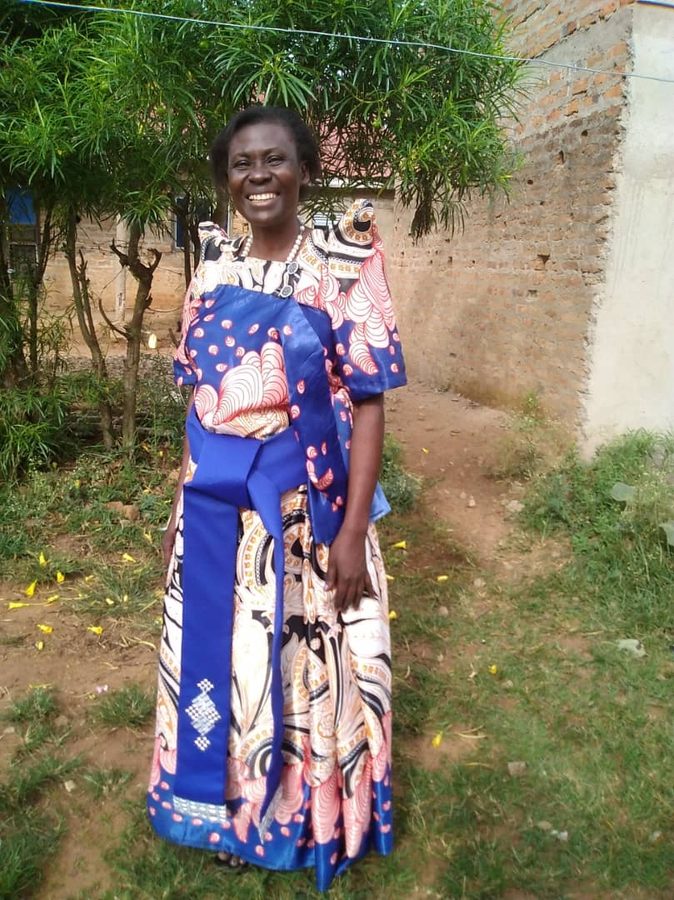
The Orphans Club
Tororo, Uganda
150 children aged 5 to 20 who live together as a family.
Funded64 %


Hilfe für Sisyphos e.V. funds aid projects initiated by private individuals for children, young people, women and families – in Uganda and Ethiopia.
Our aim
The association supports and promotes aid projects initiated by private individuals for children, young people, women and families in the developing regions of Africa, Asia and Latin America.
These privately initiated projects are intended to improve living conditions and community life on the ground – for example through food and clothing, shelter and education.
We are looking for people and allies who want to join us in supporting and strengthening the incredible things that others achieve.
The association “Hilfe für Sisyphos” is founded.
Support for the Orphans Club in Tororo, Uganda.
Building up the St. Margaret Living Faith Primary School, Uganda.
The school is founded.
Support for the neonatal and maternity unit in Mörön, Mongolia.completed
Support for single mothers and their children in north-western Ethiopia.
Projects
Each project is run by someone on the ground with whom we are in direct contact. The bar shows how far the current need is covered.
Tororo, Uganda
150 children aged 5 to 20 who live together as a family.
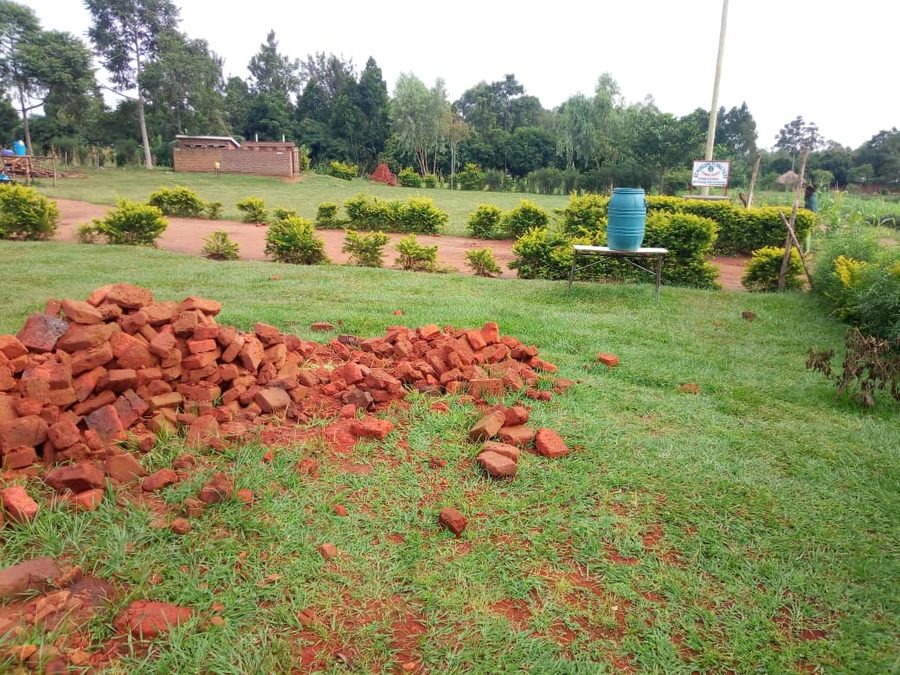
Tororo, Uganda
Primary and secondary school for orphans and children from the community.
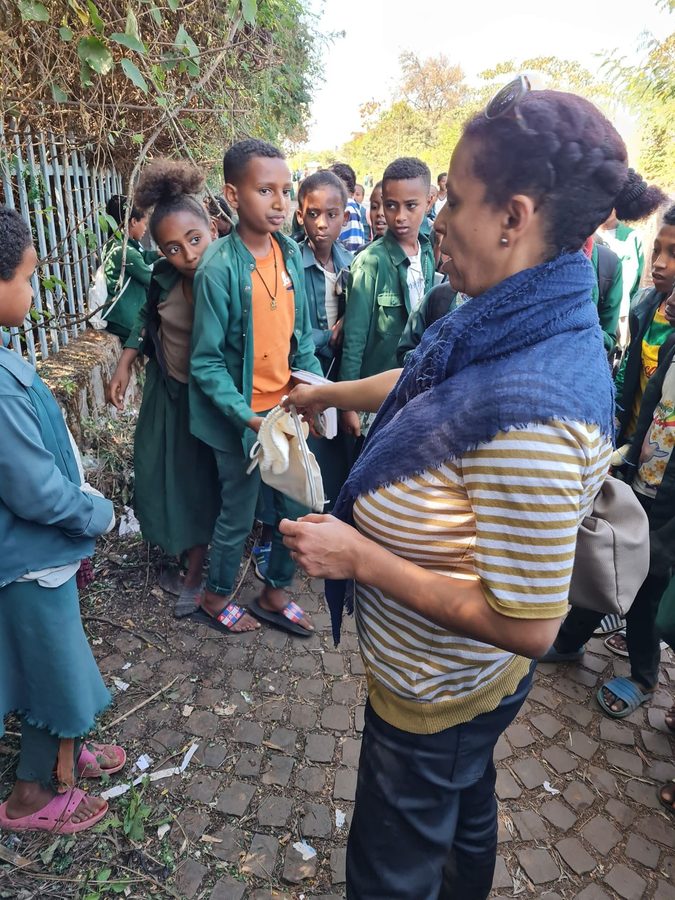
Bahir Dar, Ethiopia
Eight women on their way to becoming independent entrepreneurs.
Project 1
Project initiator: Margaret Boogere
Margaret Boogere, herself a mother of eight and a teacher at the primary school in Tororo – a small town in north-western Uganda – found herself confronted in the early 2000s with a great many abandoned children, a situation driven above all by the AIDS epidemic. As a first step she took in 20 children herself, and then gradually supported other families in the community who were caring for children.
Today the Orphans Club comprises 150 children. Forty have already completed school, university or vocational training and are therefore fully independent – which is Margaret's main goal.
When a child “leaves the nest”, a place becomes free and is filled again. Children between the ages of 5 and 20 are cared for and live together as a family. The project has been supported regularly by the local Benedictines for many years. That support is being maintained even though costs have since doubled.
Today, however, it only stretches to around 75 children, whose school fees are covered in this way. If they attend boarding schools, they are enabled to visit their Orphans Club families regularly; school clothing, materials and meals are also covered, including when they are not living at boarding school.
The other half of the 150 children receive occasional support from donors, or Margaret tries to earn the money herself.
To build a regular financial basis that provides for the second group of 75 children, so that the orphan initiative can continue to support all 150.
In some cases the costs of further education are covered in the form of sponsorships – for example training as a surgical nurse, a Master of Public Health, a degree in electrical engineering and craft apprenticeships.
Project 2
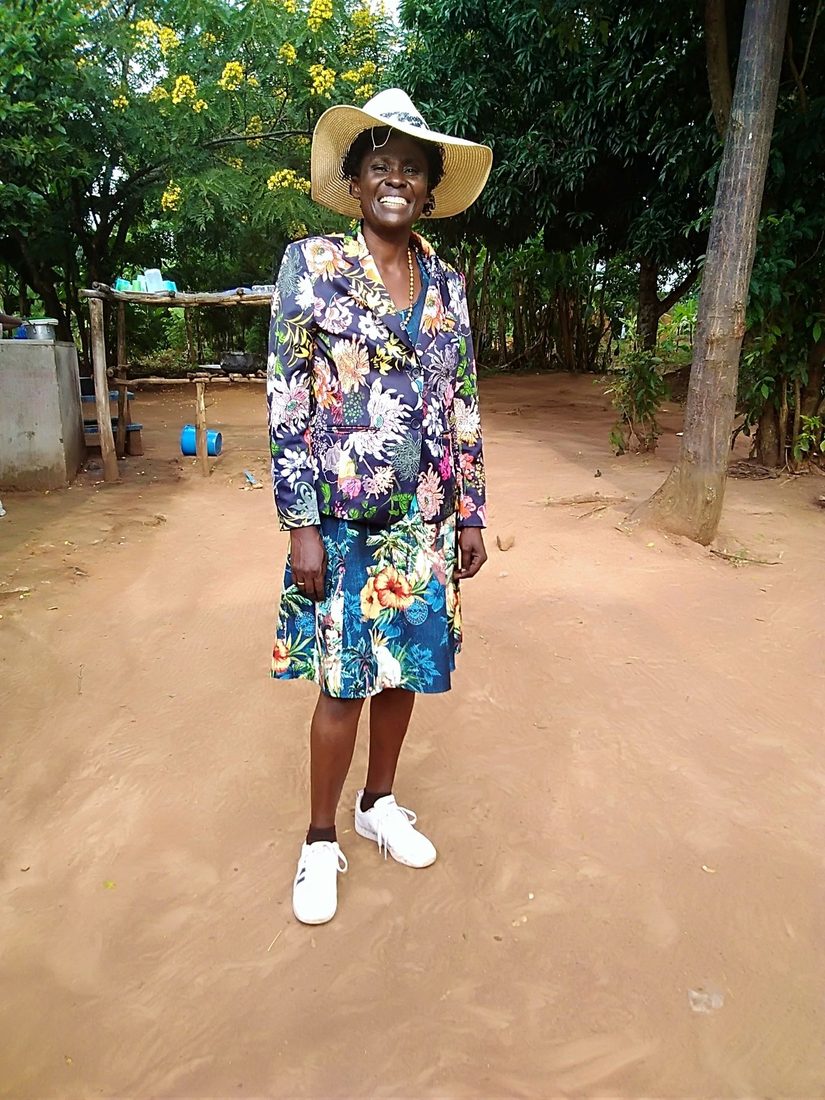
Project initiators: Margaret Boogere and Tereza Nyamwenge
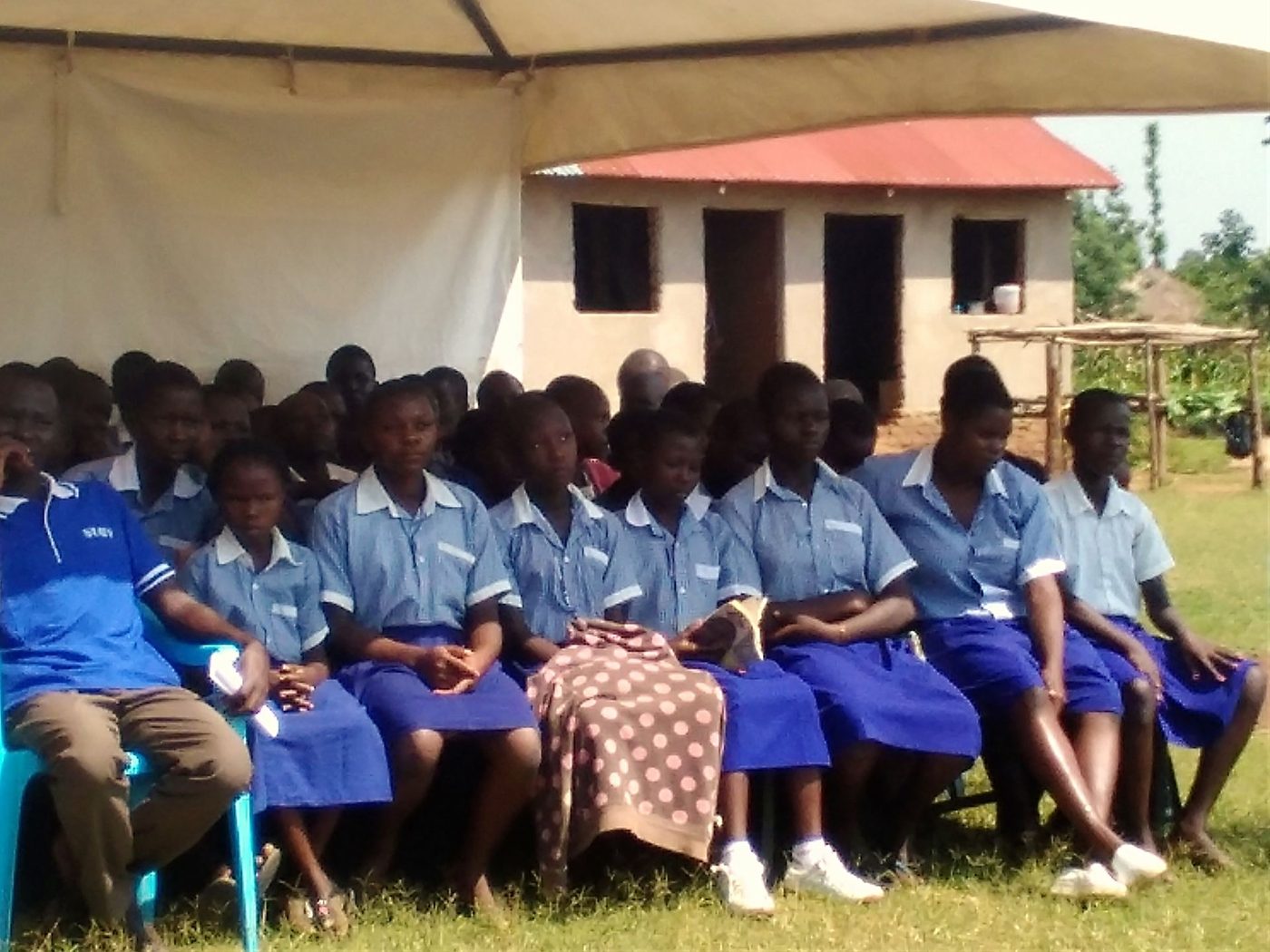
Alongside her initiative for 150 orphans, Margaret Boogere founded her own primary and secondary school in Tororo in 2017, so that the orphans could receive a good education together with children from the local population. The school was initially built with the support of Swiss donors.
Today it has six classrooms and ten teachers; between 150 and 200 pupils are taught there. All school leavers so far have passed the state final examinations successfully. The quality of education is high.
In 2023 we completed a replacement for the three wooden classrooms, which had been eaten away by termites and were at risk of collapse. In the coming years the necessary buildings are to follow: a new kitchen, dormitories for girls and boys, teaching-materials and administration buildings, a playground.
On the ground we work with a construction engineer closely connected to the school. He is himself an AIDS orphan who was fortunate enough to receive a good education. He helps the project wherever he can and supervises all construction work on site. With his support, new washing and latrine buildings were completed a few months ago.
From 400 pupils onwards the school can support itself, including teachers' salaries and school fees. The number of teachers would be sufficient – but the corresponding infrastructure and new classrooms are needed. There are no other schools of comparable quality in the area, so the potential is there. At that number, enough would be generated to help subsidise the orphans from the Orphans Club.
Project 3
Project initiator: Heimanot “Heimy”
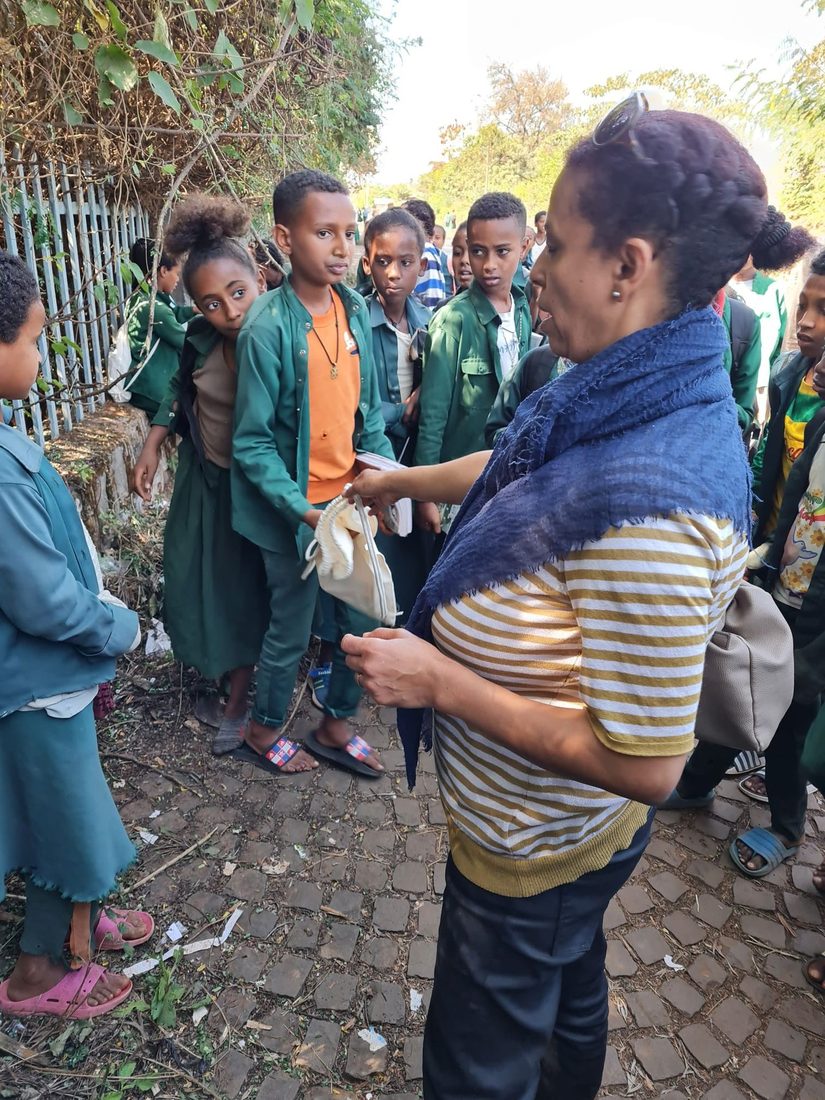
Heimanot, known as Heimy, comes from north-western Ethiopia. She has many relatives there who support her on the ground. Her vision is to help single mothers and elderly women in her home town of Bahir Dar. In the long term she wants to create a kind of women's house community in which single mothers and elderly women live together and support one another.
In the short term she has taken eight women into her care and provides them, as far as possible, with small amounts of money at regular intervals so that the women and their children can support themselves.
The community should be able to sustain itself economically through its own work, such as baking bread and providing services. For now this idea is still a dream, but it is moving forward step by step. Heimy is looking for suitable land and stays in contact with women in need.
Each of the women has her own story, and some have also taken in orphans who are not their own. On the ground, Heimy's 75-year-old mother and her relatives help to ensure that the money really does reach the people directly.
The civil war situation in this region is currently disastrous. We try to obtain information about the families we support on a regular basis. For as long as it is possible for us to send money directly into the civil war area, we do so. The government repeatedly restricts money transfers into these areas in order to cut off financial support to the militias. The families are suffering greatly at the moment.
To support Heimy in her work on the ground and to win regular donations for the women in need and their children. The goal in each case is for the women to become independent entrepreneurs by receiving small start-up funds – or support in times of hardship.
The commitment is a medium- to long-term one: even once the women earn their own money, there will be recurring needs for support during shortages, in emergencies, or for the children's education.
Photos
Swipe, or use the arrows.
News from Uganda
The construction plan for the extension is ready, the land has been bought and teaching staff for 400 children has been hired. What is still missing is the construction of new classrooms, teacher accommodation, a kitchen, drinking-water tanks and sanitary facilities.
We have already replaced the original wooden buildings, which had been eaten away by termites. For the school to become self-sufficient within the foreseeable future, it has to be run as a boarding school. The plan is for 400 fee-paying pupils on site. That would allow the school to support itself and to take in the roughly 30 additional children from the Orphans Club.
Converting to a boarding school requires sleeping and living quarters for pupils as well as for teachers and their families. This is the next major investment of the coming three years – step-by-step construction, and therefore around €60,000.
In addition, the Ugandan state has placed a new requirement on all private schools in order to standardise educational quality: since summer 2022, only teachers holding a degree and a recognised university diploma may teach. Every school must employ at least ten teachers and guarantee a minimum building standard.
The school is going through the state accreditation process. A few prerequisites are still missing. Uganda is also struggling with inflation, so we are awarding more scholarships to families in need.
News from Ethiopia
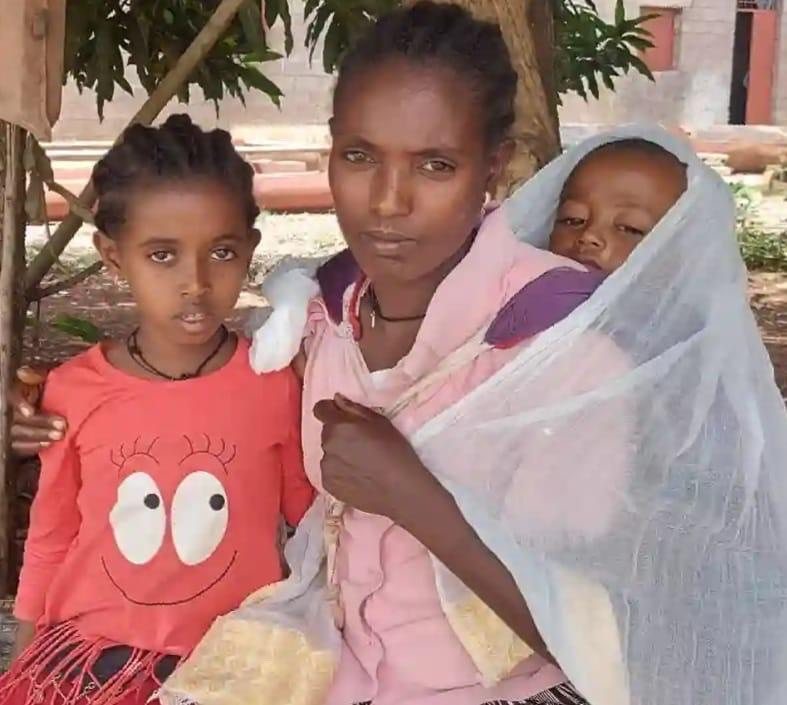
“In the long term she wants to create a kind of women's house community in which single mothers and elderly women live together and support one another.”
At present eight women and their children are being supported. Wherever possible they receive small amounts of money at regular intervals so that they can support themselves.
The long-term vision is a plot of land with a women's house community, where single mothers and elderly women live together and can sustain themselves economically through their own work, such as baking bread or providing services.
Heimy is Ethiopian and lives with her family in Frankfurt. She came to Germany alone 20 years ago. Four years ago she opened an Ethiopian restaurant with the aim of earning enough money here to help single mothers and elderly women back home.
She has already taken the first steps: at present she supports individual women and their children on their way to independence.
Newsletter
July 2026
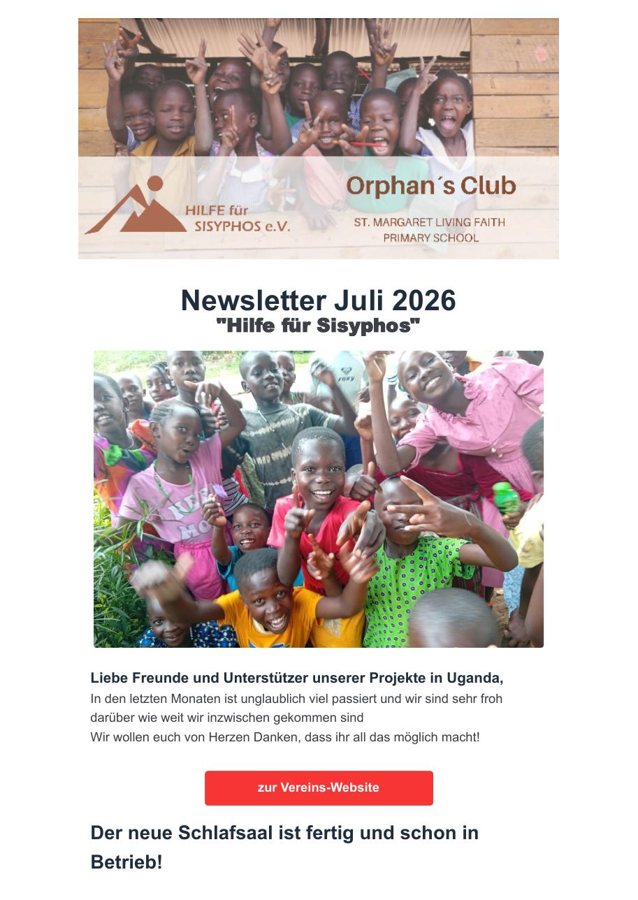
80 children now sleep in their own beds – with separate areas for girls and boys, their own sanitary facilities and a tank for rainwater. 25 children from the Orphans Club have moved to St. Margaret's School, where classes now hold around 40 children instead of 200.
Newsletter as PDF →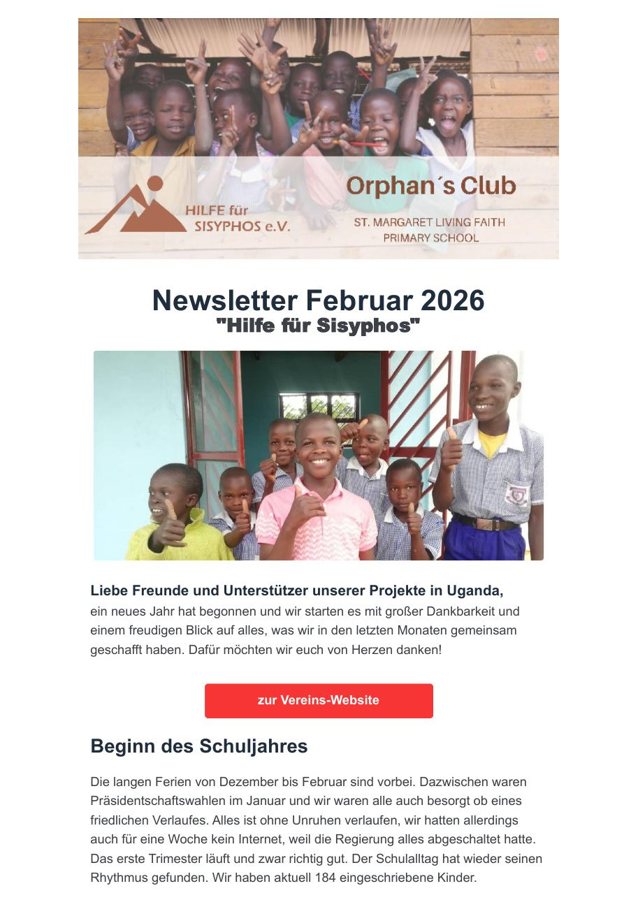
February 2026
The building is plastered and has windows, doors and an entrance gate; the washrooms are finished. Thanks to the donations, twenty bunk beds have already been made – the children can move in soon.
Newsletter as PDF →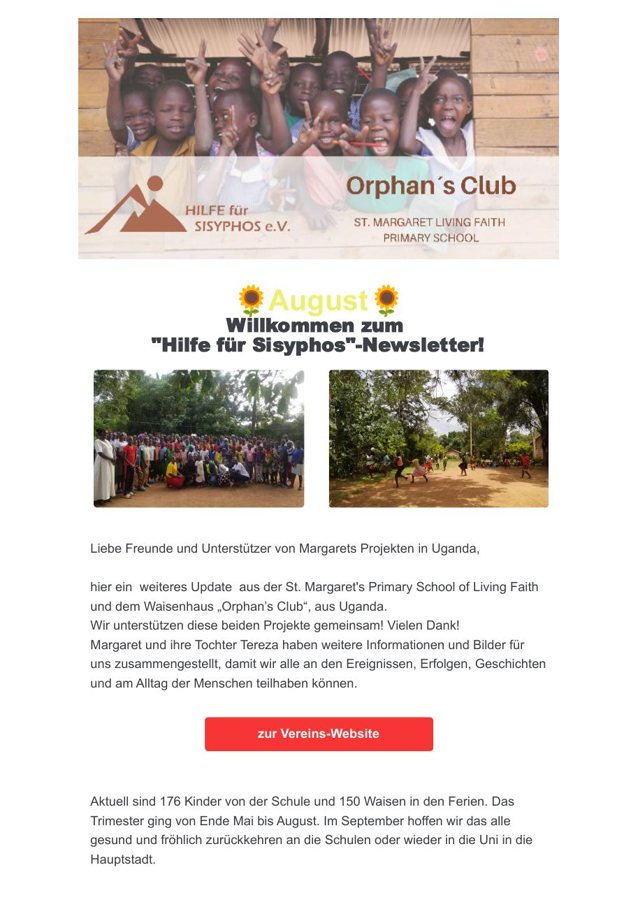
August 2025
The classrooms are plastered and dust-free. Next: laying the floors and continuing work on the dormitories – the foundation is in place. The well is currently being drilled.
Newsletter as PDF →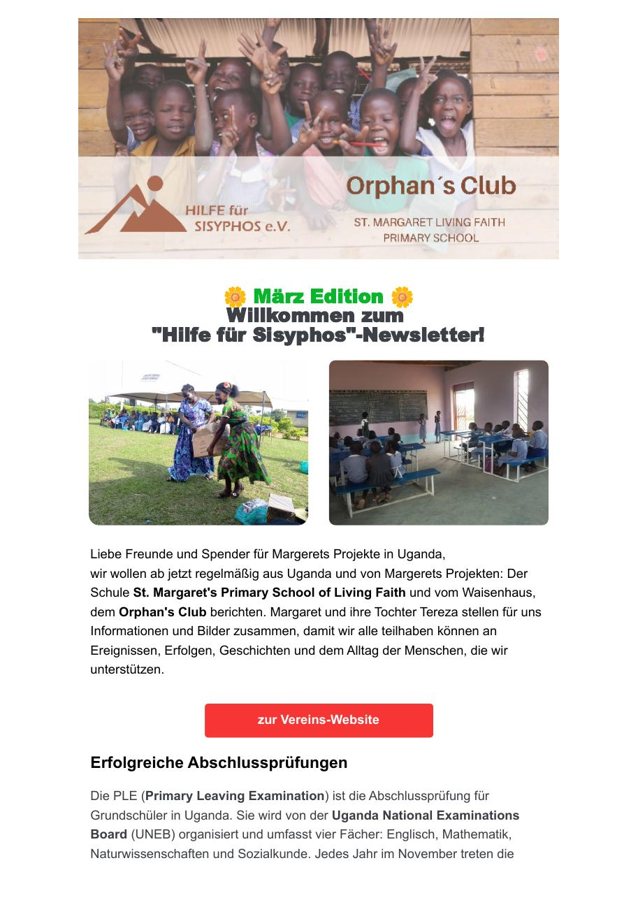
March 2025
Our pupils achieved impressive results in their final examinations. Pupil numbers are rising from 128 to 170, and the registration of our land was successful.
Newsletter as PDF →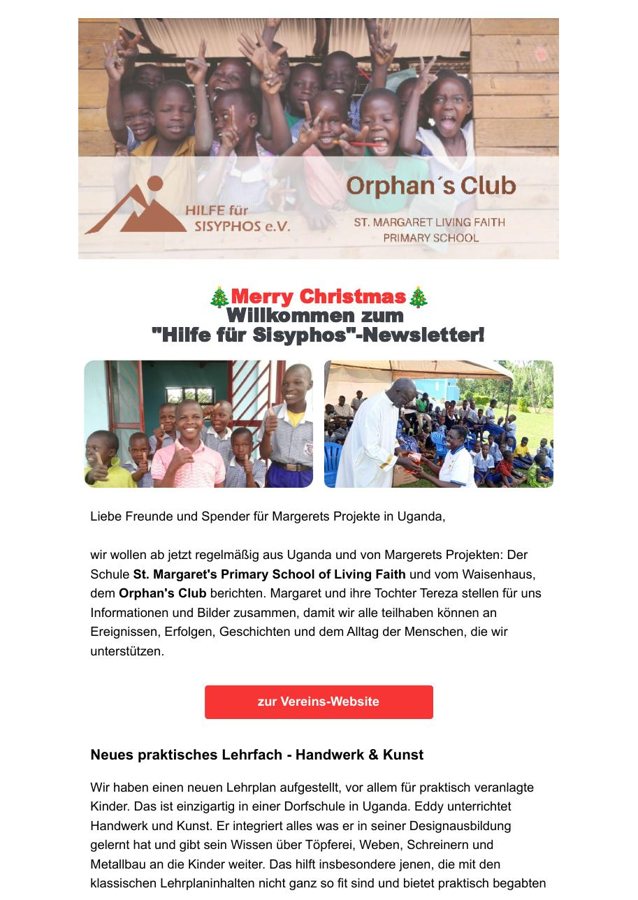
Christmas 2024
We introduce the practical school subject Crafts & Art, report on the registration process for state accreditation and on the opportunity to acquire land.
Newsletter as PDF →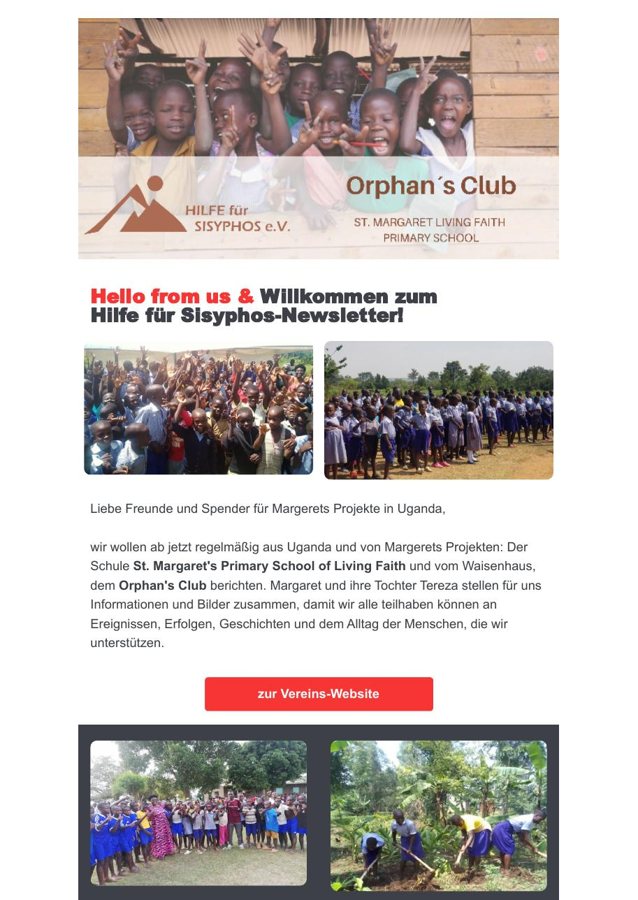
First issue · November 2024
Margaret and her daughter Tereza put together information and photographs for us, so that we can all share in the events, successes, stories and everyday lives of the people we support.
Newsletter as PDF →Press
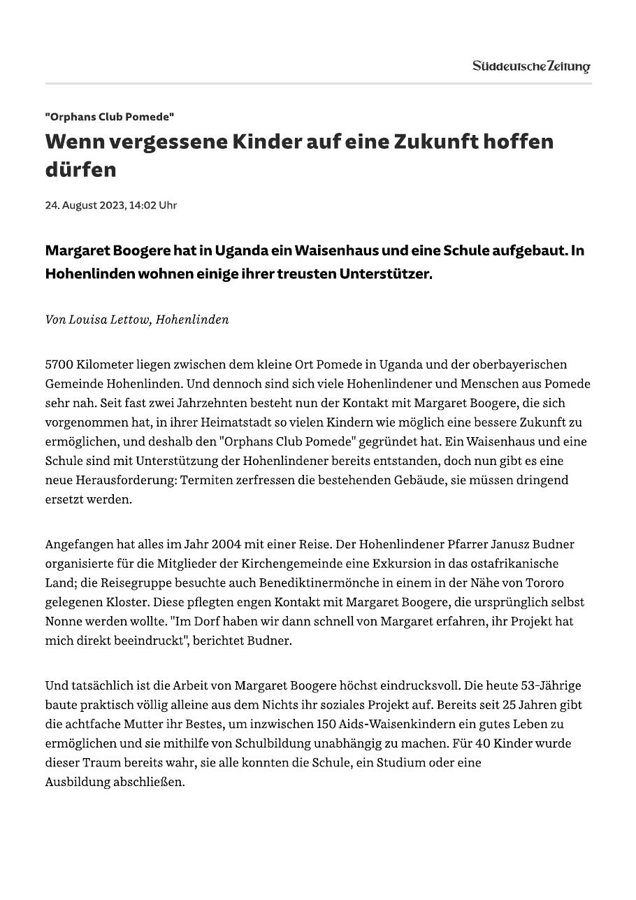
Süddeutsche Zeitung · 24 August 2023
Many thanks to Louisa Lettow.
Bayern 2 · 28 June 2023
Many thanks to Tanja Gronde for this lovely piece.
Margaret and her daughter Tereza put together reports and photographs for us. We pass them on unchanged.
Enter your email address – we will be in touch to confirm.
We use your address solely for the newsletter and do not pass it on. Further details in our privacy policy.